How Air Conditioning Affects Indoor Air Quality
Air conditioning systems have transformed how we live, turning scorching summer days into comfortable indoor experiences. While managing indoor temperatures remains the primary goal of these units, their influence extends far beyond basic thermal comfort. The operation of cooling equipment significantly impacts the characteristics of the air we breathe inside our homes and businesses. Exploring how cooling mechanisms interact with indoor environments reveals a complex relationship between temperature settings and respiratory wellness. Recognizing these effects is essential for maintaining a healthy and safe household environment during periods of extreme outdoor heat.
Evaluate Indoor Air Quality
Indoor air quality represents the overall condition of the atmosphere inside residential structures, directly affecting the well-being of everyone inside. Because individuals spend most of their time inside buildings, maintaining clean breathing spaces is a vital aspect of public wellness. Multiple elements influence this balance, including airborne particulates, external pollutants, outdoor allergens, and indoor humidity levels. When these factors are neglected, stagnant atmospheres allow contaminants to accumulate to hazardous levels. Exposure to contaminated environments can lead to immediate issues like eye irritation, severe headaches, and chronic respiratory fatigue.
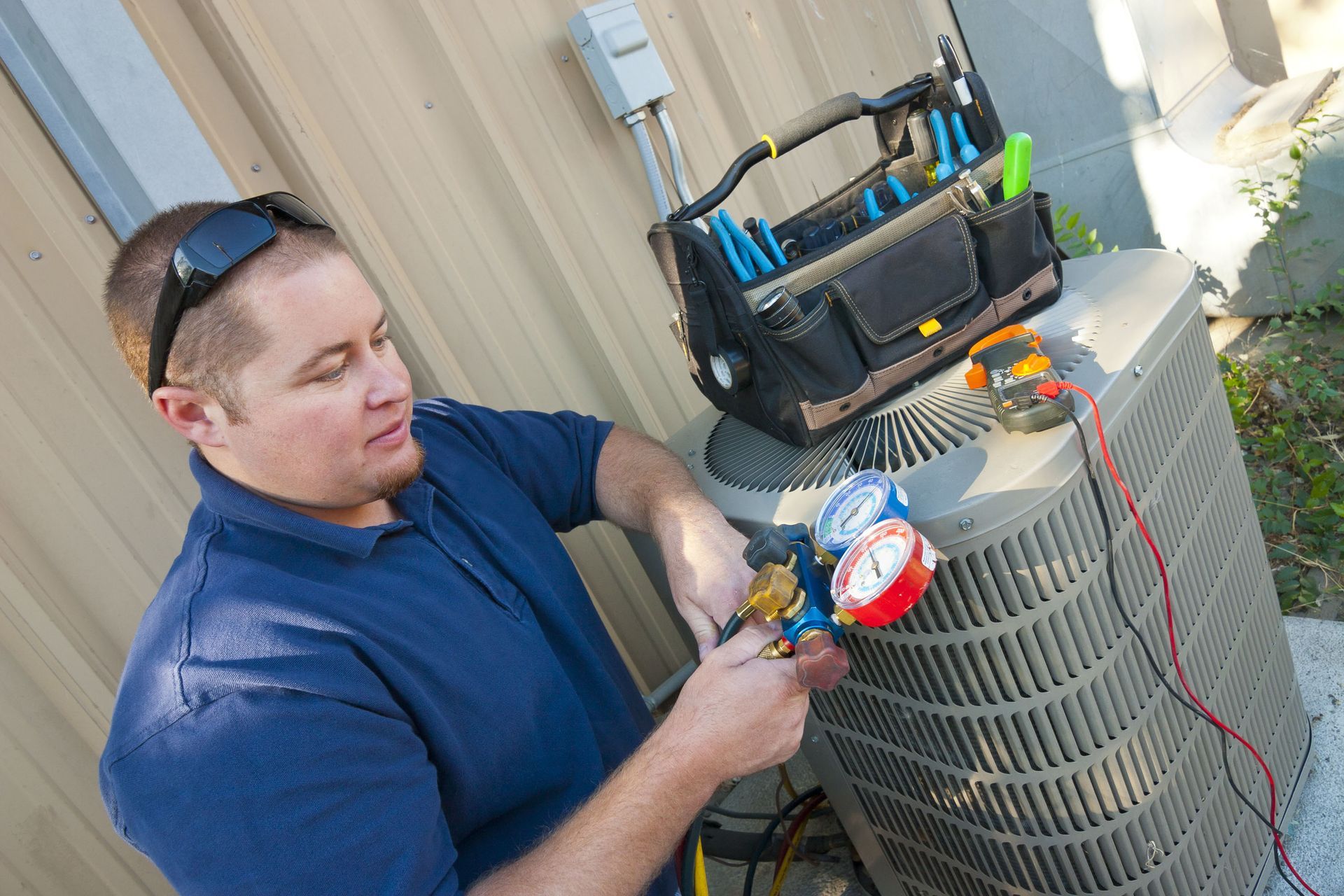
Over extended periods, poor environmental conditions inside a home can cause serious chronic health struggles. These medical concerns often lead to broader societal burdens, including diminished professional productivity and rising medical expenses for families. Evaluating these invisible issues requires proper diagnostic techniques, including detailed air sampling and professional system assessments. Homeowners who notice sudden drops in comfort or rising health symptoms should consult a certified air conditioning contractor to evaluate their property. Addressing these hidden environmental concerns early protects the wellness of vulnerable family members while ensuring a comfortable, supportive living environment.
Assess Modern Cooling Systems
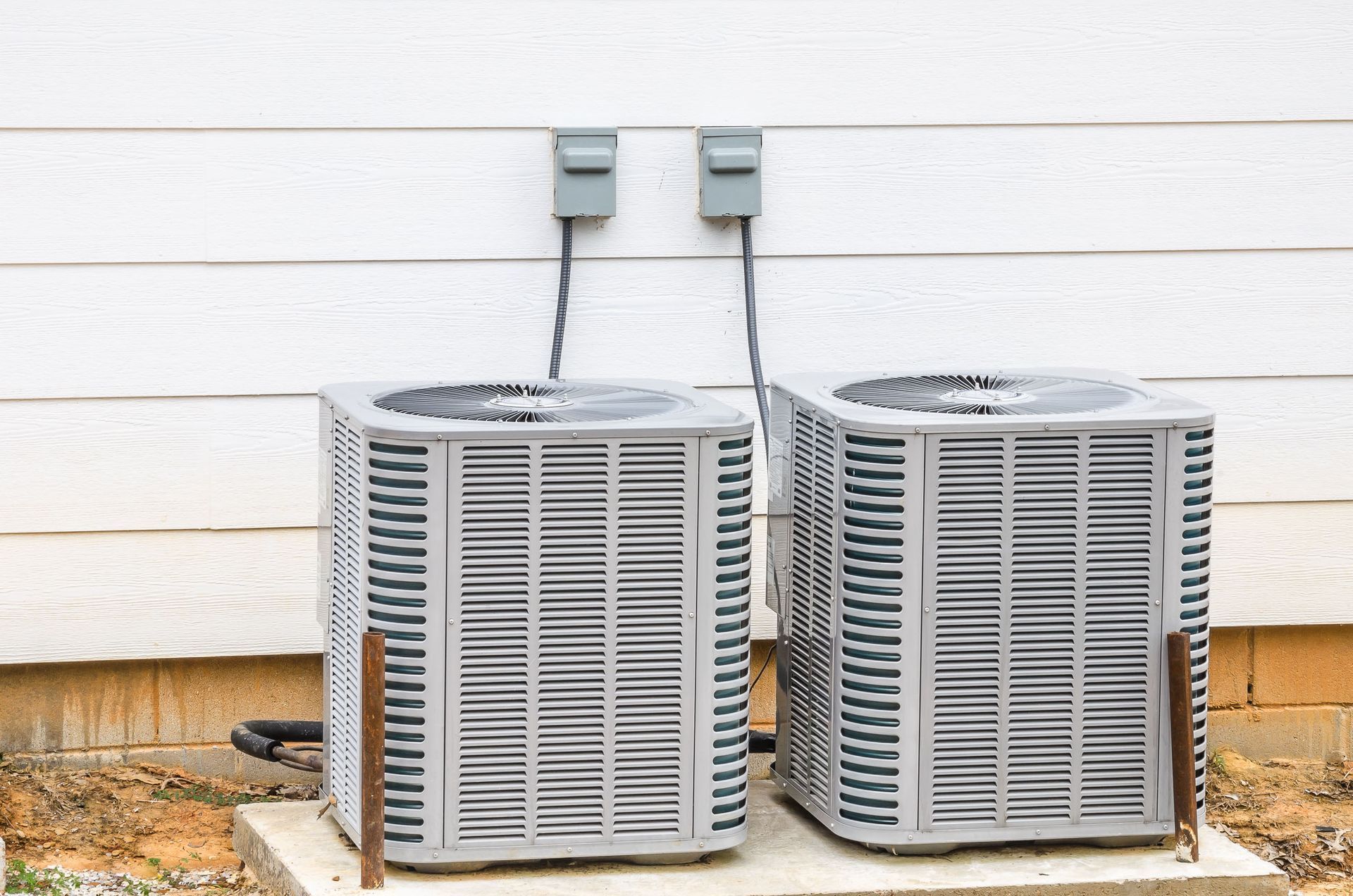
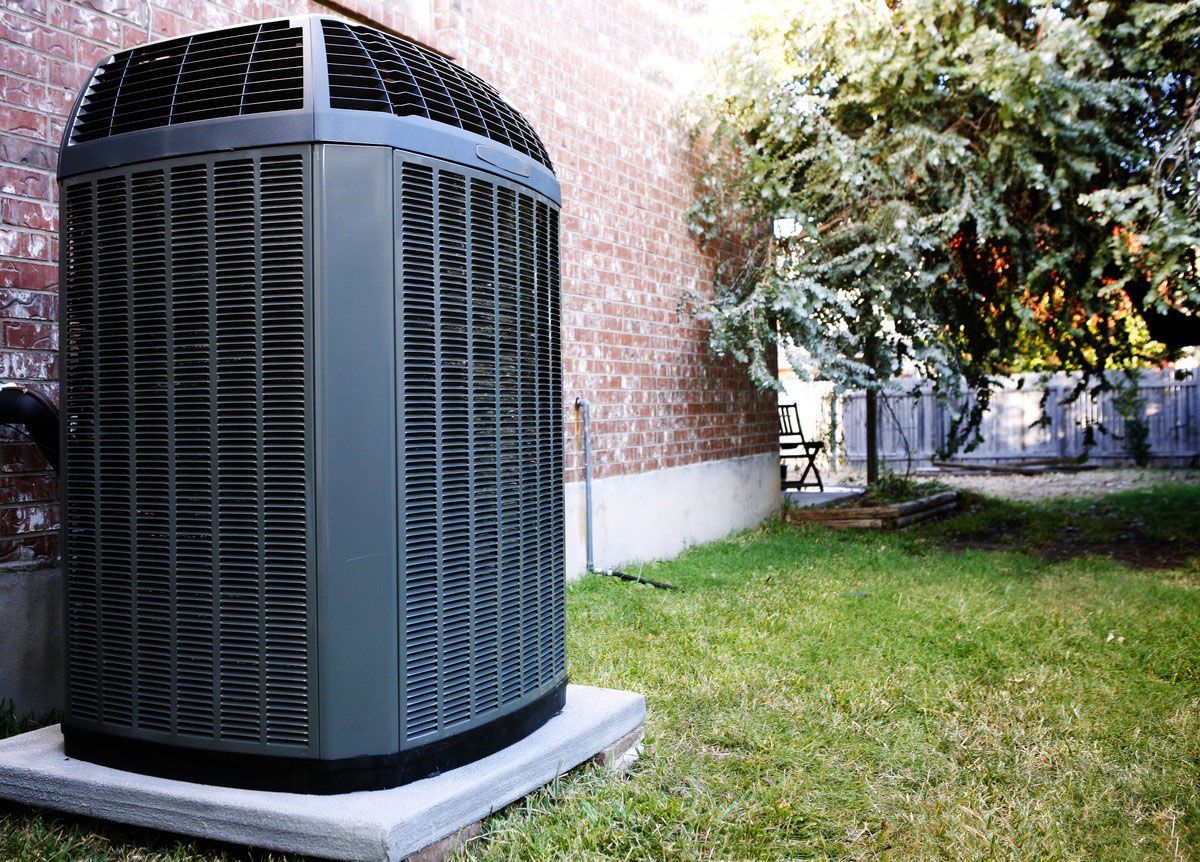
Cooling technology has evolved remarkably since its initial development for industrial humidity control many decades ago. Today, modern residential properties depend on various mechanical designs to maintain reliable indoor comfort during hot seasons. According to data released by the U.S. Department of Energy, roughly two-thirds of American homes rely on central air conditioning systems to stay cool. Homeowners frequently collaborate with a professional air conditioning contractor to select and install the most effective configuration for their unique floor plans. These full-home options provide uniform cooling, while smaller configurations like split systems or traditional window units offer targeted cooling for specific areas.
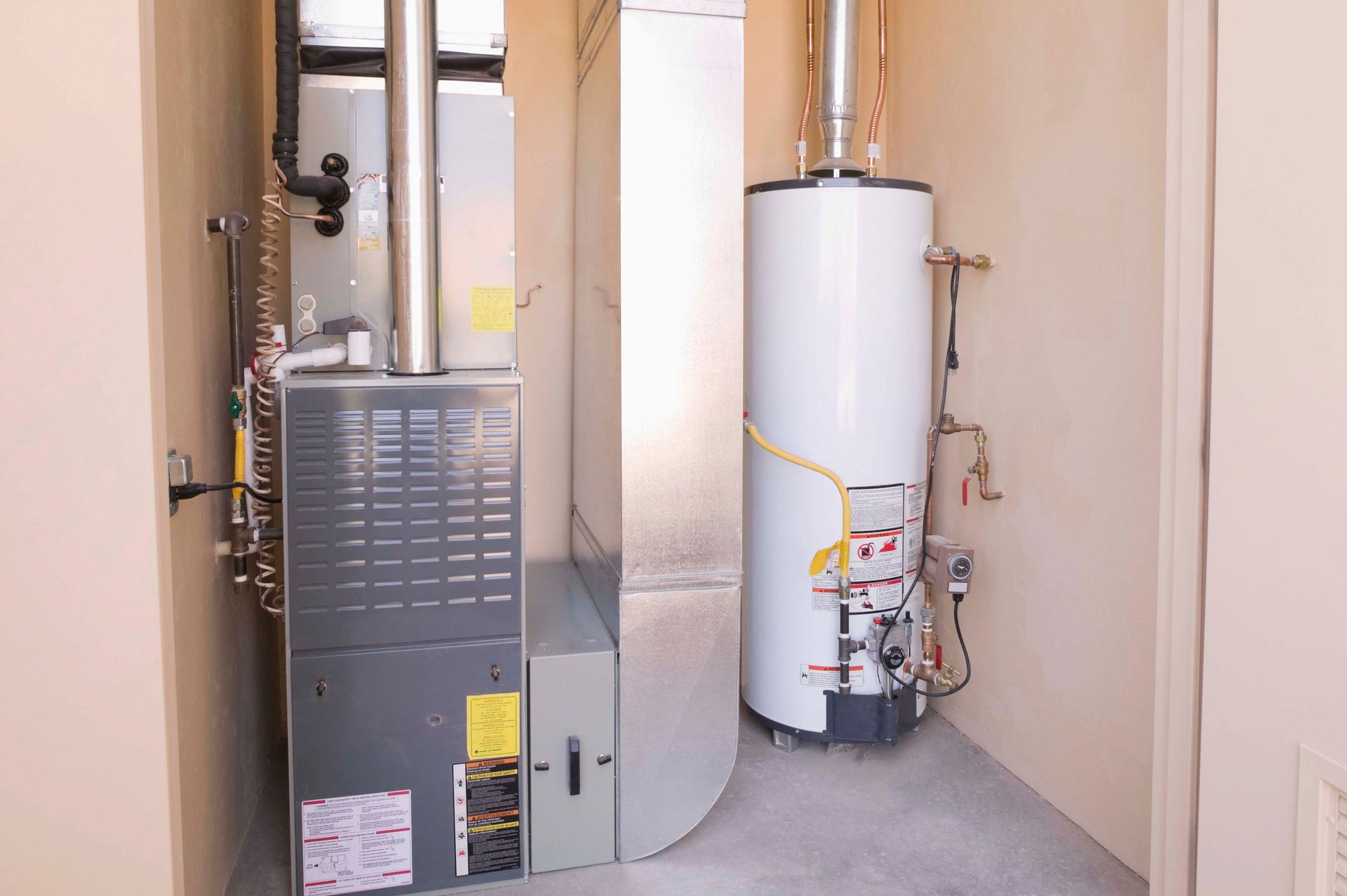
Every cooling system relies on a network of vital components, including heavy-duty compressors, evaporator coils, condenser coils, and circulating fans. These elements work in a continuous cycle, drawing heat out of living spaces and releasing it outdoors. As changing global climate patterns cause more frequent and intense summer heatwaves, the reliance on these cooling units continues to expand. This widespread usage alters residential energy consumption patterns, highlighting the importance of installing highly efficient equipment. Choosing an appropriate cooling system involves balancing continuous performance demands with seasonal efficiency goals to ensure long-term home comfort.
Analyze Climate Control Impacts
Well-maintained cooling equipment provides substantial benefits for indoor air wellness by circulating and cleaning internal atmospheres. Standard filters within these systems capture common allergens like seasonal pollen, household dust, and animal dander, preventing them from floating freely. Mechanical cooling systems inherently dehumidify the air as they lower temperatures, stripping excess moisture from the environment. Maintaining balanced humidity levels is essential because damp atmospheres encourage the rapid proliferation of dust mites and harmful fungal spores. Proper moisture regulation creates an unwelcoming environment for biological irritants, protecting the respiratory health of the inhabitants.
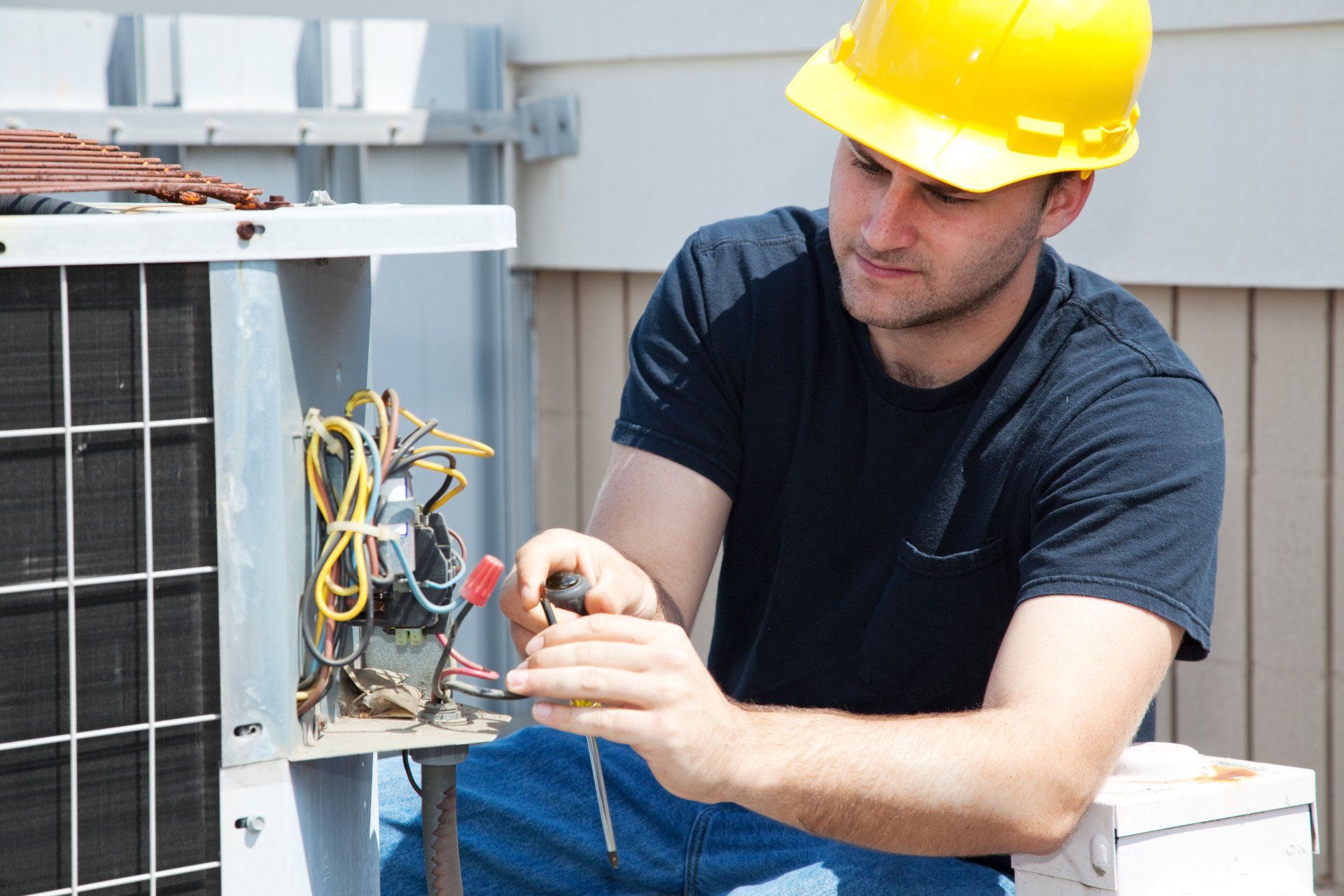
Neglected cooling equipment can inadvertently introduce serious hazards to a home environment if maintenance is ignored. When internal components become dirty or filters become clogged with debris, the system can distribute concentrated dust and biological contaminants. Leaky ductwork can pull pollutants from unconditioned areas like attics or crawlspaces and force them into active living spaces. Relying solely on recirculated air without proper ventilation solutions causes indoor atmospheres to become stagnant and heavy. Booking a routine inspection with an explicit air conditioning contractor ensures that these hidden installation issues are resolved before they compromise indoor health.
Maximize Home Air Cleanliness
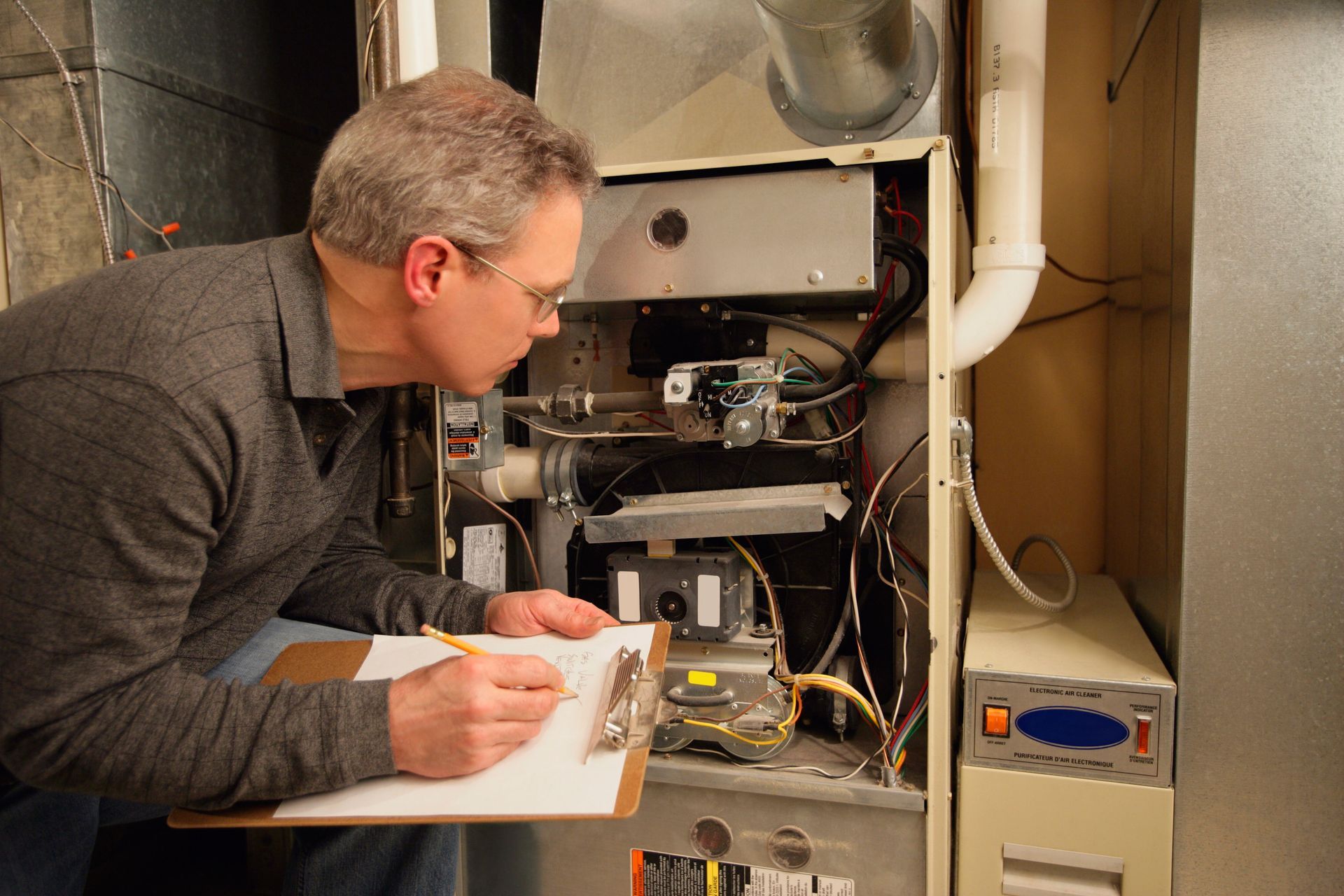
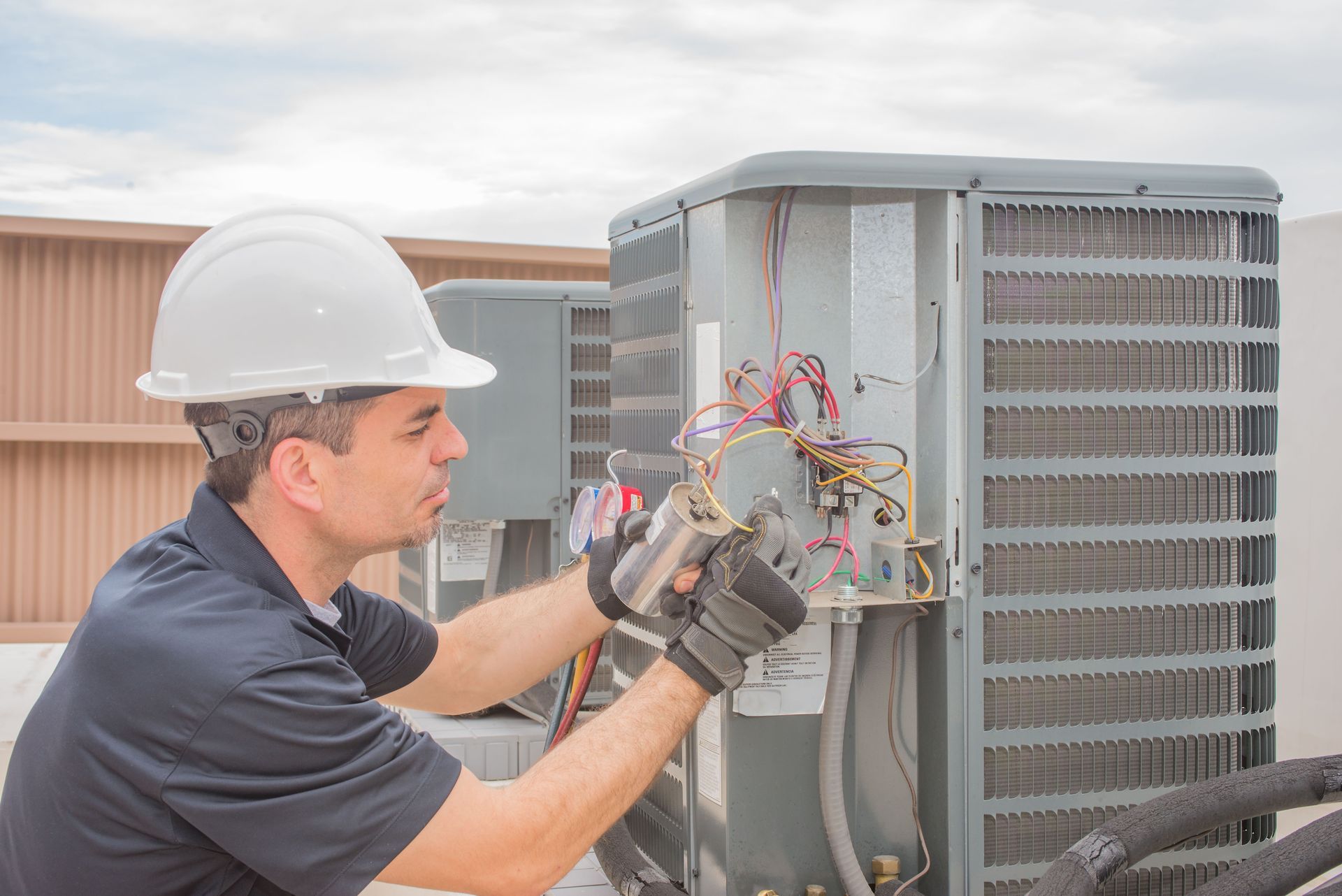
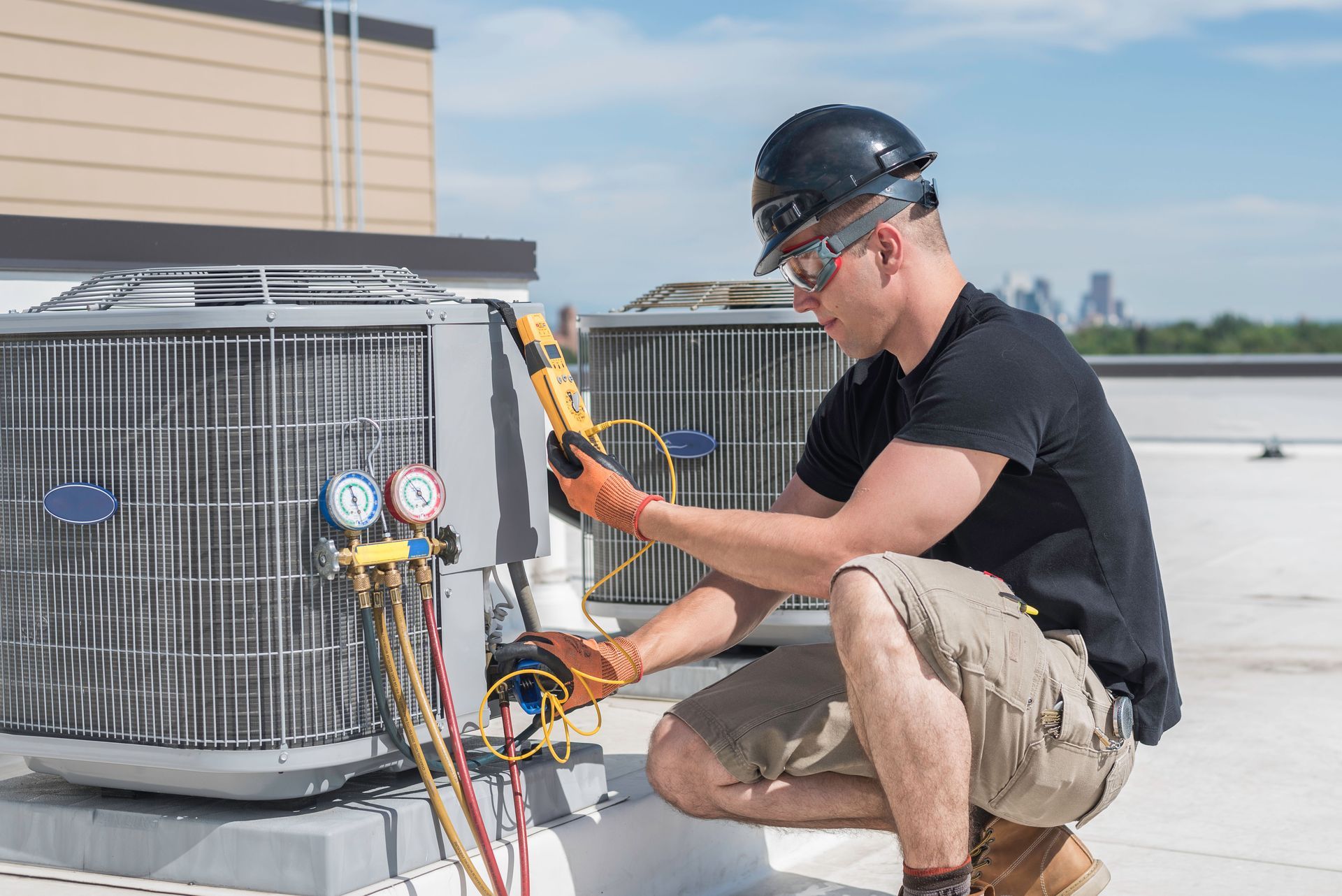
Implementing a consistent schedule for equipment maintenance is the most effective way to protect residential breathing spaces. Working with a qualified air conditioning contractor allows homeowners to keep their systems clean, efficient, and free of hidden mold growth. Technicians thoroughly sanitize evaporator coils, clear condensate drain lines, and inspect the integrity of local duct networks. Integrating dedicated indoor air quality solutions, such as specialized ultraviolet air purifiers, can destroy microscopic airborne biological contaminants. These specialized UV systems target viruses, mold spores, and bacteria, working beside traditional cooling units to provide comprehensive protection.
Optimizing standard airflow patterns throughout the home helps prevent the accumulation of concentrated indoor pollutants. Introducing fresh outdoor air through balanced ventilation systems helps dilute persistent household chemicals, smoke particles, and cooking odors. Ensuring that air moves freely across every room prevents stagnant pockets where biological growth thrives. Maintaining high efficiency levels through regular system tuning also keeps units running smoothly without excessive wear. Combining proactive ventilation strategies with regular mechanical service creates a vibrant, clean indoor atmosphere that supports overall family health.
Understand System Filtration Science
The design of cooling filters determines how effectively a system can remove microscopic particles from a home. Residential equipment uses various materials, ranging from standard fiberglass options to heavy-duty particulate air filters designed for high efficiency. Advanced filtration options capture the vast majority of airborne irritants, including minuscule smoke particles, mold spores, and microscopic pollen grains. Specialized carbon filters can also be utilized to neutralize unpleasant household odors and complex volatile organic compounds. Selecting the correct filtration level ensures that the circulating air is thoroughly cleaned during every cooling cycle.
Maintaining these filtration components requires regular inspections and timely replacements to avoid dangerous air resistance. Clogged filters restrict vital system airflow, forcing components to work harder while allowing trapped dust to bypass the filtration media. Recent advancements in material science have led to the creation of innovative nanofiber filters that capture smaller particles without restricting airflow. While premium filtration upgrades require careful consideration, the benefits of reduced allergy symptoms and cleaner surfaces are significant. Consulting a reputable air conditioning contractor helps families select the ideal filter replacements that match their specific equipment specifications.
Review Residential Quality Studies
Comprehensive field studies have consistently demonstrated how professional climate management directly influences human performance and health. Research conducted in educational facilities and corporate spaces shows that proper cooling and filtration lead to improved focus and lower rates of absence. Similar investigations in residential settings reveal that families experience fewer asthma flare-ups when their home cooling systems are meticulously maintained. Understanding how indoor pollutants behave helps researchers design better guidelines for managing modern residential properties. Homeowners can reach out to an experienced air conditioning contractor to apply these scientific insights directly to their own living spaces.
Comparative evaluations of different system styles show that ducted central configurations generally provide the most uniform air cleaning across large properties. Regulatory standards and local building guidelines continue to evolve, pushing manufacturers to develop safer, more reliable home comfort equipment. Compliance with these updated guidelines ensures that residential cooling systems perform safely while providing adequate climate control. Learning from these industry developments helps communities establish better habits for maintaining clean indoor breathing environments. Implementing these proven conservation and filtration methods ensures that home environments remain safe, welcoming, and perfectly balanced.
Achieving a healthy home environment requires a balanced approach to managing temperature settings, moisture levels, and filtration solutions. While modern cooling systems provide undeniable comfort during hot weather, their performance remains directly linked to the cleanliness of the indoor atmosphere. Homeowners must remain proactive with cleaning schedules and routine checks to ensure their equipment acts as a protective shield rather than a source of dust. Partnering with a skilled air conditioning contractor offers the peace of mind that all components are functioning safely and efficiently. Contact us at Bomgarden's Heating & Air Conditioning today for professional guidance and comprehensive maintenance support tailored to your property.