
Trends Heating Contractors Share in Heat Pump Technology
Heating systems are undergoing a massive shift as technology advances and environmental priorities change across the globe. Homeowners and business owners alike are looking for ways to maintain comfort without the high energy costs and carbon footprints associated with older furnace models. This evolution has led to a surge in interest regarding heat pumps, which offer a versatile solution for both warming and cooling spaces. Because these systems move heat rather than creating it through combustion, they represent a peak of mechanical efficiency that was once thought impossible in colder climates. As the industry moves forward, the insights provided by professionals in the field become invaluable for understanding how to navigate these new options. Understanding these advancements is the first step toward creating a more sustainable and comfortable indoor environment for the future.
Adapting to Extreme Cold through Enhanced Engineering
One of the most significant hurdles for heat pump adoption in the past was the inability of these systems to function effectively when the mercury dropped below freezing. Traditional models often struggled to extract enough thermal energy from the outdoor air to keep a home warm during a harsh winter. However, modern heating contractors are now seeing a new generation of cold climate heat pumps that utilize variable speed inverters and enhanced vapor injection technology. These engineering breakthroughs allow the system to maintain high heating capacities even when outdoor temperatures reach sub-zero levels. This means that residents in northern regions no longer have to rely on expensive electric resistance backup heat or fossil fuel furnaces as their primary source of warmth during the coldest months of the year.
The secret to this improved performance lies in the way the refrigerant is managed within the system. By using advanced compressors that can adjust their speed in real time, the unit can work harder when the demand is high and throttle back when the weather is mild. This precision not only keeps the indoor temperature more consistent but also reduces the mechanical stress on the components, leading to a longer overall lifespan for the equipment. When heating contractors evaluate a property for a new installation, they look at these technical specifications to ensure the unit is sized correctly for the local climate. This shift toward high-performance cold-weather units is fundamentally changing the market and making all-electric heating a viable reality for a much larger portion of the population.
Integrating Smart Controls for Maximum System Efficiency
Efficiency is no longer just about the hardware inside the unit but also about how that hardware is managed by software. Smart thermostats and integrated home automation systems have become standard companions for high-efficiency heat pump installations. These controllers can monitor outdoor conditions, indoor occupancy patterns, and even utility price signals to determine the most cost-effective way to operate. Many heating contractors now recommend systems that can be controlled via smartphone applications, allowing users to make adjustments from anywhere in the world. This level of connectivity provides a wealth of data that can be used to identify potential performance issues before they lead to a total system failure.
The impact of these smart systems on energy consumption is profound because they eliminate the waste associated with heating or cooling empty rooms. Sensors can detect which areas of a house are in use and direct airflow accordingly through motorized dampers in the ductwork. Furthermore, the integration of artificial intelligence allows the system to learn the thermal characteristics of a building, such as how fast it loses heat at night or how quickly it warms up when the sun hits the windows. When heating contractors set up these intelligent networks, they are providing homeowners with a customized climate solution that reacts to their specific lifestyle. This move toward digital management ensures that the mechanical efficiency of the heat pump is never undermined by poor operational habits.
Meeting Federal Standards for Better Heating Performance
Regulatory changes are playing a major role in how manufacturers design their products and how professionals install them. New standards for efficiency ratings have been implemented to ensure that every unit sold meets a baseline of performance that protects consumers and the environment. These ratings provide a standardized way to compare different models and understand their long-term operating costs. According to WebFX, split system heat pumps must now have an HSPF rating of 7.5 or higher, while single-packaged heat pumps must have an HSPF rating of 6.7 or higher for better heating efficiency. This baseline ensures that even the most affordable options on the market are capable of providing significant energy savings compared to older technologies.
For the average consumer, these numbers translate into lower monthly utility bills and a reduced reliance on the power grid. Professional heating contractors stay updated on these shifting requirements to help clients navigate the available rebates and tax incentives that often accompany high-efficiency upgrades. By adhering to these strict performance metrics, the industry is pushing toward a future where energy waste is minimized across the board. The emphasis on higher heating seasonal performance factors reflects a broader commitment to optimizing the heat pump for year-round use rather than treating it merely as an air conditioner with a reversing valve. This regulatory push is a catalyst for innovation, forcing manufacturers to refine their heat exchanger designs and motor efficiencies to meet the new legal benchmarks.
Expanding Zoned Comfort through Ductless Technology
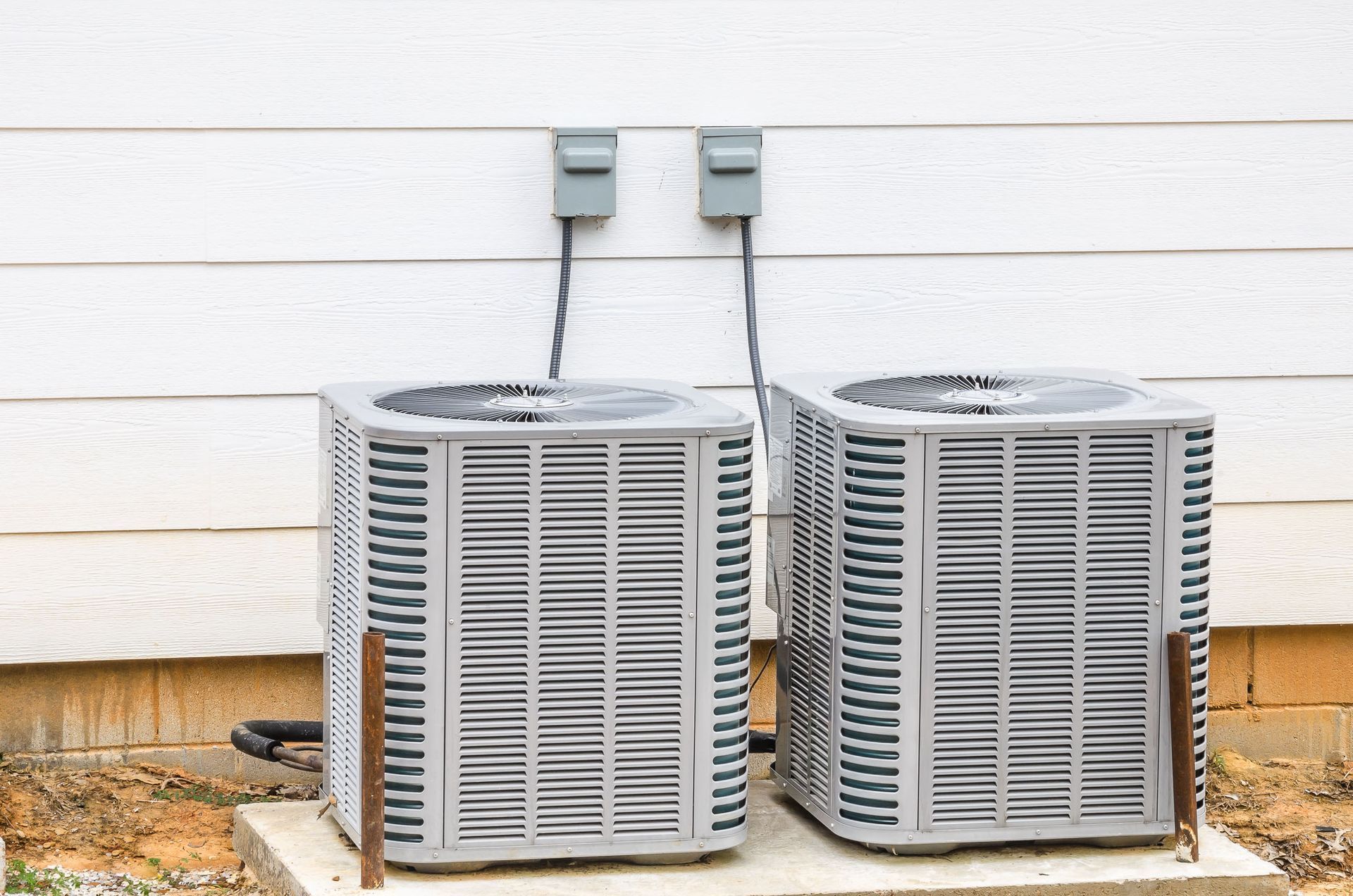
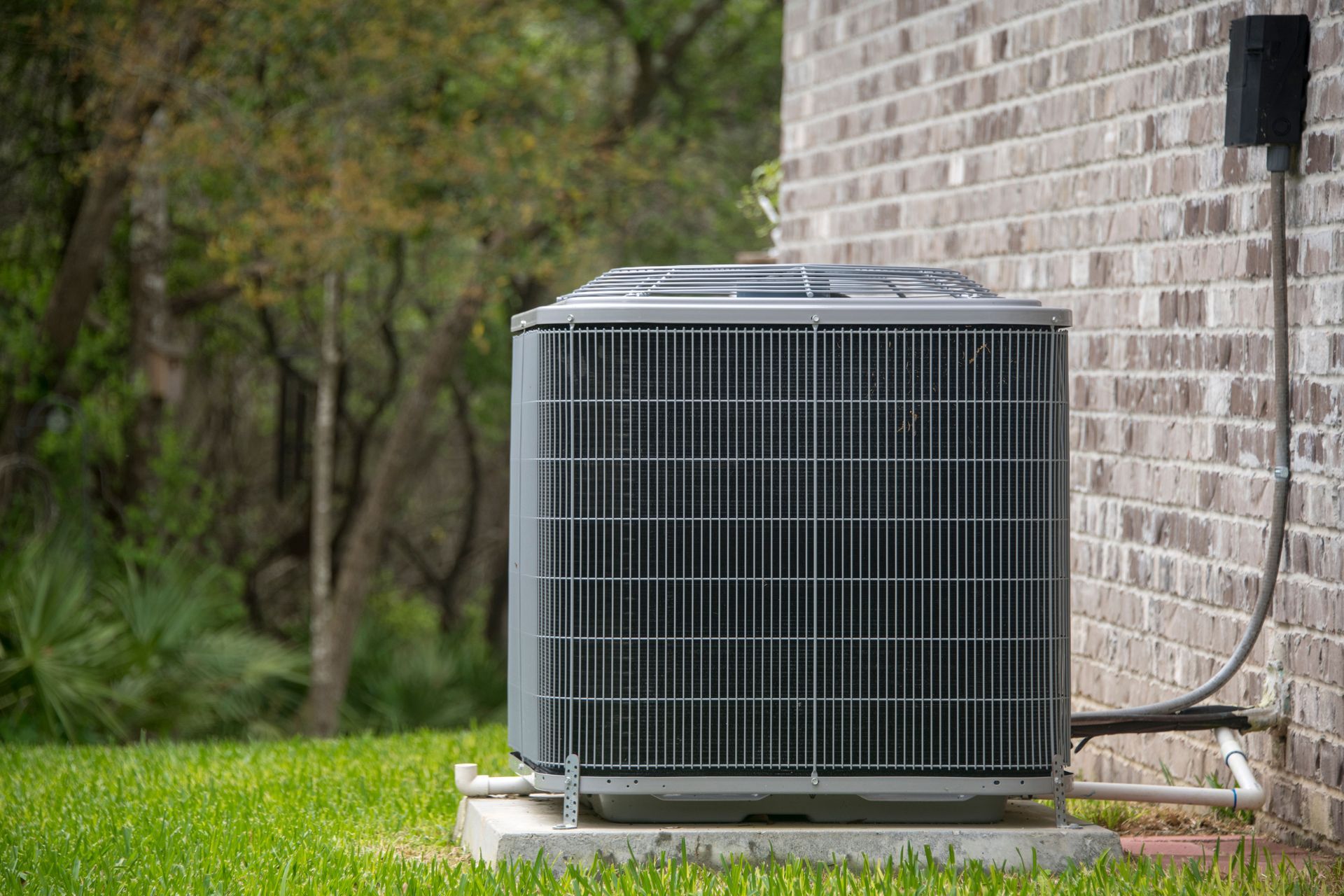
The rise of ductless mini split systems has opened up new possibilities for homes that were previously difficult to heat or cool. These systems consist of a single outdoor unit connected to one or more indoor air handlers via small refrigerant lines, eliminating the need for bulky and expensive ductwork. Heating contractors often suggest this technology for historic homes, room additions, or finished basements where extending traditional vents is not feasible. Because each indoor unit can be controlled independently, residents can set different temperatures for different rooms based on personal preference. This zoning capability is a major selling point for families who want to end the battle over the thermostat settings.
The installation of ductless units is also significantly less invasive than traditional central air systems. There is no need to tear into walls or ceilings to hide large metal pipes, which preserves the structural integrity and aesthetic of the home. Beyond the convenience of installation, these systems are incredibly efficient because they do not suffer from the energy losses associated with leaky or poorly insulated ducts. When heating contractors design a multi-zone ductless layout, they are creating a highly flexible environment that can grow and change with the needs of the inhabitants. This trend toward localized climate control is gaining momentum as more people realize the comfort and savings benefits of targeting specific areas of the home rather than trying to treat the entire building as a single block.
The landscape of home heating is changing rapidly, driven by a combination of technological breakthroughs and a global shift toward energy efficiency. From the incredible ability of modern units to handle sub-zero temperatures to the intricate smart controls that manage every watt of power, the modern heat pump is a marvel of engineering. Homeowners now have more choices than ever before, whether they opt for a fully electric cold climate system, a flexible ductless layout, or a versatile hybrid model. By staying informed about these trends and working with the right professionals, you can ensure your home remains a sanctuary of comfort and efficiency for many years to come. To explore how these new technologies can benefit your specific property and to ensure a professional installation that meets all current standards, contact Bomgarden's Heating & Air Conditioning.