
When to Consider Replacing an Aging Furnace
A furnace often receives little attention while it keeps the house comfortable. As equipment ages, however, familiar heating routines can become less dependable, with longer periods of chilly rooms or another interruption just when warmth matters most. Those changes raise an important question: Is the furnace experiencing a repairable problem, or is it approaching the point where replacement deserves serious consideration?
The answer requires more than knowing the installation year or noticing one unusual sound. Age, operating condition, and the results of professional service help distinguish an isolated malfunction from broader deterioration. Understanding how those factors relate helps homeowners recognize when furnace replacements deserve consideration and what professional findings can contribute to that decision.
Furnace Age and Overall Condition
Once a furnace reaches roughly 15 to 20 years of service, discussing its remaining usefulness becomes reasonable. That age range is a planning reference rather than an automatic expiration date. Two furnaces installed in the same year may have different maintenance histories, operating demands, and levels of wear. An older unit that heats consistently deserves a different assessment from one that has become unreliable.
Age becomes more meaningful when it accompanies a noticeable decline. A furnace that once handled cold weather comfortably but now struggles under similar conditions warrants professional attention. Considering furnace replacements at that stage allows the discussion to focus on the equipment's actual condition instead of its installation date alone. Maintenance records and earlier repair findings can help explain whether the current problem represents a recent change or a developing pattern. A record of consistent professional upkeep is valuable context, although it cannot eliminate the effects of aging.
A Pattern of Recurring Repairs
A single service call does not establish that an aging furnace needs replacement. A repair may resolve a specific fault and return otherwise serviceable equipment to normal operation. The more revealing question is what happens afterward: Does dependable heating return, or does another problem soon interrupt it? Repeated breakdowns make reliability part of the decision, even when individual repairs remain possible.
Repair history also matters because several visits can reflect different situations. A recurring symptom may have an unresolved cause, while unrelated failures may indicate wear across multiple components. Professional diagnostics can distinguish those possibilities before homeowners commit to another repair or a new unit. The repair's likely effect on future reliability matters when weighing furnace replacements, especially if other components are also showing wear. Restoring heat today and establishing dependable operation for the coming season are related, but separate, considerations.
Declining Comfort Around the Home
An aging furnace may still turn on without keeping the household comfortably warm. Rooms that used to heat evenly may begin feeling noticeably different, or occupants may adjust the thermostat repeatedly without achieving a satisfactory temperature. Those observations are useful because they describe a change in everyday performance. They do not, by themselves, identify which component is responsible.
Uneven warmth can involve airflow restrictions, thermostat problems, or other issues beyond deterioration of the furnace itself. A professional evaluation helps establish whether the equipment is producing and distributing heat as intended. Before choosing furnace replacements to address uneven warmth, homeowners need to know whether the furnace itself is responsible. Without that distinction, replacing equipment may leave the original comfort problem unresolved. The goal is to understand why heating has changed before deciding how to restore it.
Changes in Sound and Cycling
How a furnace runs can be as revealing as whether it produces heat. Frequent starts and stops, excessive blower operation, or repeated periods of cold air may suggest that something needs attention. Operating patterns should be considered against the furnace's previous behavior and the weather conditions. Longer heating periods during unusually cold weather are different from a new pattern of interrupted operation under familiar conditions.
Sound provides another useful observation, particularly when banging, rattling, or squealing becomes noticeable. Different noises can have different causes, so describing when a sound occurs is more helpful than assuming it proves the furnace is failing. A technician can inspect the equipment and determine whether a worn or loose component needs repair. When abnormal cycling or noise continues alongside other signs of deterioration, replacement may deserve a broader discussion. The significance lies in the diagnosed cause and the furnace's condition, rather than the sound alone.
Energy Use and Heating Efficiency
A higher heating bill can prompt concerns about an older furnace, but the bill alone cannot establish declining efficiency. Colder weather, a higher thermostat setting, or changes in utility rates can increase the total even when the equipment operates normally. Comparing energy consumption during reasonably similar heating periods provides more useful context. That comparison can support a service conversation without turning a household observation into a diagnosis.
Modern high-efficiency furnaces are designed to convert more of their fuel into usable heat than less efficient models. Whether that advantage makes replacement appropriate depends partly on the existing furnace's efficiency and condition. Evaluating furnace replacements therefore involves understanding both the equipment currently heating the home and the characteristics of a proposed model. A newer furnace's efficiency rating does not promise a particular bill reduction. Household habits, weather, and installation quality still influence how much energy the heating system uses.
What Professional Inspection Reveals
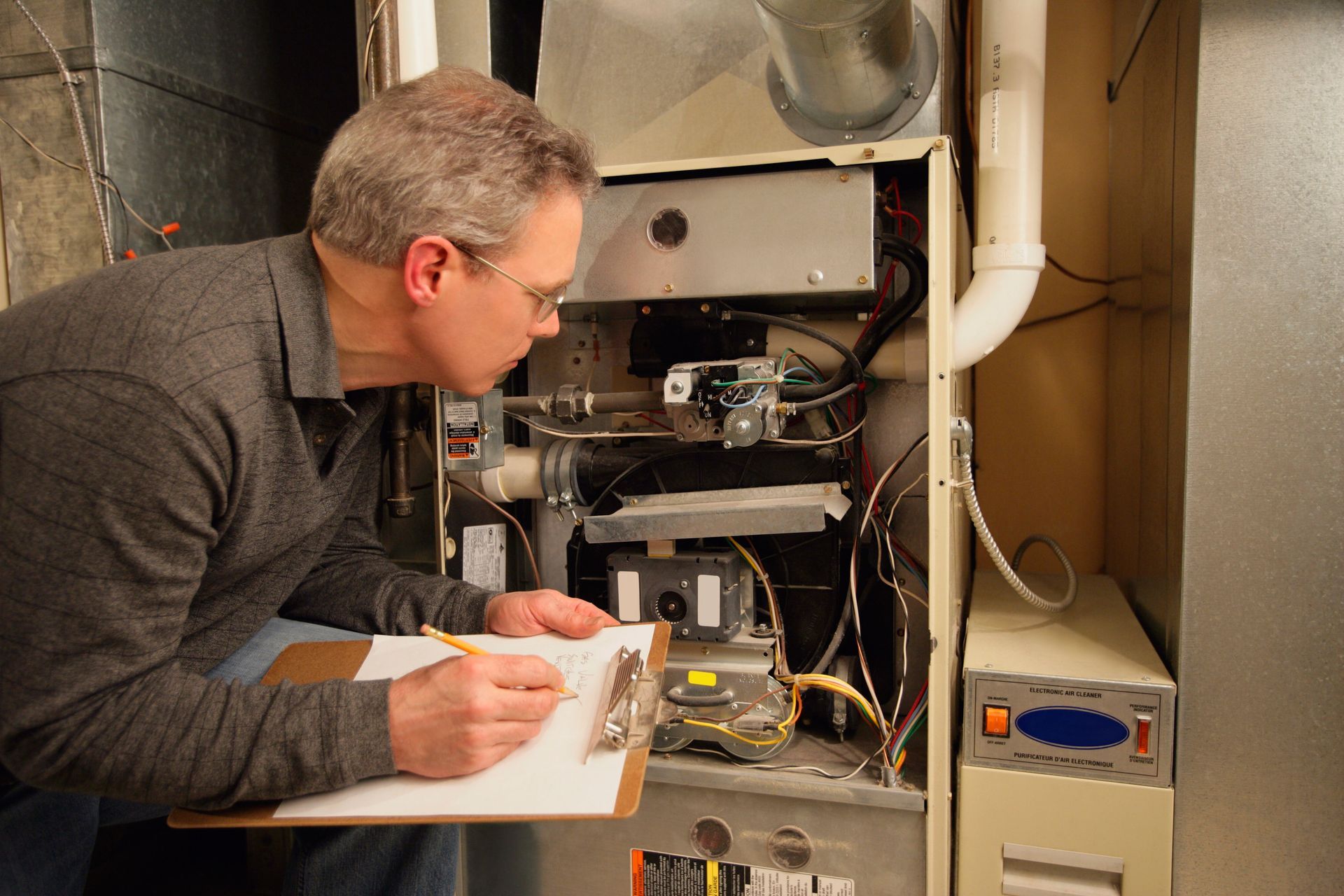
Professional inspection provides information that daily observations cannot. Checks of the heat exchanger, ignition components, blower, and safety controls help establish how the furnace is functioning. Maintenance can also identify conditions that require attention before they become more disruptive. Those findings give the repair-or-replace discussion a firmer basis than assumptions drawn from age, sound, or comfort alone.
The distinction between serviceable wear and a condition affecting safe operation is especially important. A furnace should not be treated as dependable simply because it continues producing warm air. If a technician identifies a serious defect, the discussion should address what that defect means for continued operation and the available options. Findings that make continued use unsuitable can shift the priority toward furnace replacements. Homeowners should leave that conversation knowing whether the unit can remain in service and which findings support the recommendation.
Planning for a New Furnace
Replacing an aging furnace does not necessarily mean abandoning a familiar form of heating. According to U.S. Census Bureau data for 2025, forced-air furnaces served as the primary heating system in 490,000 of the 1,005,000 single-family homes completed that year. Their continued use in new construction illustrates that the equipment's age and the heating method are separate considerations. An older unit can need replacement while furnace heating remains suitable for the household.
Planning furnace replacements also creates an opportunity to discuss how a new unit would meet the home's heating needs. Equipment sizing, efficiency, and installation requirements matter more than choosing a model simply because it is newer. Features such as variable-speed blowers or multiple heating stages may affect how compatible models respond to changing demand. The discussion should also clarify whether the proposed model's features address the difficulties experienced with the old furnace. Comparing options before the old unit fails gives homeowners time to understand those differences and ask questions about the proposed installation.
An aging furnace deserves a decision based on what it can still do reliably, rather than how long the household hopes it will last. A clear understanding of its condition makes it easier to choose an appropriate next step without waiting for another interruption. At Bomgarden's Heating & Air Conditioning, we assess furnace problems and handle repairs, maintenance, and new furnace installation. Contact us to discuss whether repair or replacement is appropriate for your aging furnace.